
Moving to Savannah, GA? What You Should Know Before Buying a Home
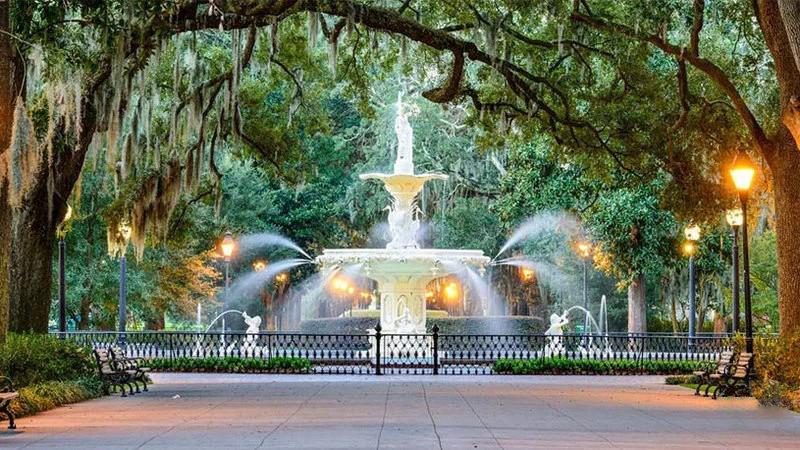
Savannah has a way of making a strong first impression. The architecture, live oaks, historic squares, and proximity to the coast are certainly part of the appeal. But choosing where to live in Savannah involves more than finding a beautiful house on a charming street.
The Savannah area offers a surprisingly wide range of neighborhoods, property types, and lifestyles. A historic home downtown, a mid-century house in Midtown, and a
newer property in Pooler can offer very different experiences, even at similar price points.
If you’re considering moving to Savannah, here are some of the things worth understanding before you begin your home search.
1. Savannah Is More Than Its Historic District
When people picture Savannah, they often think of the Historic District: beautiful architecture, walkable streets, and iconic public squares.
While downtown is certainly a major attraction, Savannah extends well beyond the historic center.
Historic District and Victorian District
These areas offer some of Savannah’s most recognizable architecture, including historic townhomes, Victorian houses, and properties with distinctive architectural details. They appeal to buyers interested in historic character, walkability, and proximity to downtown restaurants, galleries, and cultural attractions.
Properties can come with additional maintenance considerations, parking limitations, and historic preservation requirements.
Ardsley Park and Baldwin Park
Located south of downtown, these established neighborhoods feature tree-lined streets, older homes, and a mix of architectural styles.
Ardsley Park is known for its historic homes, landscaped streets, and traditional neighborhood layout. Baldwin Park offers its own mix of early-20th-century architecture and neighborhood character.
Both are worth exploring if you appreciate older homes but don’t necessarily want to live downtown.
Midtown Savannah
Midtown includes neighborhoods such as Habersham Woods, Kensington Park, and other established residential areas.
Here you’ll find everything from mid-century ranch homes to larger traditional properties, often with more generous yards and different floor plans than homes closer to downtown.
Wilmington Island and Whitemarsh Island
Savannah’s islands offer another option, with a variety of established neighborhoods, newer homes, and access to coastal amenities.
They can be appealing to buyers who want to remain connected to Savannah while exploring different property styles and settings.
Pooler and Richmond Hill
These communities offer additional choices, including newer construction, planned developments, and suburban neighborhoods.
Depending on your priorities, they may provide alternatives worth comparing with Savannah’s older housing stock.
My perspective: Before focusing too heavily on individual homes, spend some time understanding the different areas. The right location should support how you actually want to live, not just how a neighborhood looks in photographs.
2. Home Prices Can Vary Dramatically by Neighborhood
Savannah doesn’t have one uniform real estate market.
Two homes with similar square footage and bedroom counts can have substantially different values based on their location, condition, architectural character, lot size, and available amenities.
For example, a renovated historic home in Ardsley Park may command a premium compared with a similarly sized property in another part of Savannah.
Likewise, a newer home with modern systems and minimal immediate maintenance may offer a very different financial proposition from an older home requiring significant improvements.
When evaluating properties, it’s important to look beyond the asking price.
Consider:
• The prices of comparable homes that have actually sold
• The condition of the roof, HVAC, electrical, and plumbing systems
• Renovations or repairs that may be necessary
• The property’s layout and functional living space
• Lot size, parking, and outdoor areas
• Long-term resale considerations
A lower purchase price doesn’t always mean better value.
3. Older Homes Are Part of Savannah’s Appeal, but They Require Careful Evaluation
One of Savannah’s greatest architectural strengths is its variety of older homes.
However, buying an older property requires a different approach than purchasing new construction.
Depending on the age and condition of the home, important considerations may include outdated electrical systems, aging plumbing, moisture intrusion, wood rot, foundation movement, and previous renovations.
Savannah’s humidity and coastal climate can also contribute to maintenance challenges.
None of these issues necessarily makes an older home a bad investment. In fact, many older homes have exceptional architectural details and qualities that would be expensive to reproduce today.
The important thing is understanding what you’re buying.
I generally encourage buyers to evaluate a property’s condition and potential repair costs alongside its market value. A home that needs work can still be a great purchase if the numbers make sense.
4. Flood Zones and Insurance Deserve Attention Early
Flood risk is an important consideration when buying property in coastal Georgia.
However, not every Savannah property has the same exposure, and proximity to water alone doesn’t tell the full story.
Flood-zone designations, elevation, drainage conditions, and the property’s specific characteristics can affect insurance requirements and costs.
Before purchasing, it’s worth reviewing:
• The property’s FEMA flood-zone designation
• Whether flood insurance will be required by your lender
• Available flood insurance quotes
• Previous flooding or water intrusion disclosures
• Drainage and elevation considerations
Even properties outside designated high-risk flood zones can experience flooding.
I recommend investigating insurance costs early rather than waiting until the final stages of a transaction.
5. Property Taxes May Change After You Purchase
Property taxes are another area where buyers sometimes encounter surprises.
In Chatham County, the property taxes currently paid by a seller may not accurately represent what a new owner will pay.
A property’s assessed value, applicable exemptions, and future reassessments can all affect the tax bill.
Georgia also offers homestead exemptions for qualifying primary residences, and Chatham County has additional provisions that may provide tax benefits to eligible homeowners.
When comparing homes, use a realistic estimate of your potential property taxes rather than relying exclusively on the seller’s current bill.
This can make a meaningful difference in your monthly ownership costs.
6. Consider the Full Cost of Ownership
Your mortgage payment is only one part of owning a home.
A realistic budget should account for property taxes, homeowners insurance, potential flood insurance, maintenance, utilities, and any applicable HOA fees.
Older properties may require larger maintenance reserves, particularly if major systems are nearing the end of their useful lives.
Newer construction may reduce some immediate maintenance concerns but can come with HOA fees, builder-related considerations, or other expenses.
The goal isn’t necessarily to find the least expensive property. It’s to understand the total financial commitment and decide which trade-offs make sense.
7. Spend Time in the Neighborhood Before Making a Decision
A home can look perfect online and still feel very different once you experience its surroundings.
If possible, visit neighborhoods at different times of day. Pay attention to traffic patterns, parking, nearby businesses, street activity, and travel times to the places you’ll visit regularly.
Savannah also has a wide range of architectural styles, lot configurations, and neighborhood layouts.
Even within the same neighborhood, one street may offer a very different experience from another.
If you’re relocating from out of town, a thoughtful neighborhood tour can be more valuable than spending an entire day rushing through property showings.
8. Understand the Market Before Making an Offer
Real estate conditions can vary significantly across Savannah.
A well-maintained property in a desirable location may attract strong interest, while another home may remain on the market for an extended period because of pricing, condition, or limited buyer demand.
Rather than assuming every property should sell above or below asking price, evaluate each opportunity individually.
I look closely at comparable sales, current competition, property condition, time on market, and the seller’s circumstances when helping buyers develop an offer strategy.
The objective isn’t simply to negotiate the lowest possible price. It’s to purchase the right property on terms that make financial sense.
Finding the Right Fit in Savannah
Moving to Savannah is an opportunity to explore a city with a remarkable range of architecture, neighborhoods, and housing options.
But the most important decisions usually involve things that aren’t immediately obvious in a listing: the property’s condition, long-term costs, neighborhood characteristics, and future resale potential.
Taking the time to understand those factors can help you make a more confident decision.
Considering a move to Savannah?
I’m happy to help you compare neighborhoods, evaluate properties, and understand the local market. Whether you’re planning a move soon or simply beginning your research, feel free to reach out with questions.
Nick Witchel | Chelsea Phillips Group at Six Bricks Realty
Reference sources: Chatham County Board of Assessors; FEMA Flood Map Service Center; City of Savannah historic district standards. Historic preservation review and local homestead rules are documented by these authorities.